Global EMC Expertise for Infrastructure Systems
Electromagnetic Compatibility Consortium Limited
Engineering EMC Resilience for Mission-Critical Systems

Date: Sep 19, 2026 / Auther: EMC
In the cutthroat business landscape, meeting regulatory standards is merely a starting point. Progressive firms are realizing that EMC certifications can be leveraged to create a competitive edge.
Read More
Date: Aug 1, 2026 / Auther: EMC
Today's complicated electromagnetic environment is such that mission-critical infrastructure projects are no longer satisfied simply complying with regulations, they need something more substantial, a Quality Assurance and Management System that ensures top-tier performance throughout.
Read More
Date: Sep 7, 2026 / Auther: EMC
Train signaling systems provide the backbone for all rail transport activities. They are primarily used to control train movements to ensure that there are no collisions, maintain safe traffic separation, and prevent train accidents at crossings and junctions.
Read More
Date: Aug 18, 2026 / Auther: EMC
Today, it's hard to escape from the influence of data centers, which form the backbone of modern society and support a range of applications including from banking
Read More
Date: June 10, 2026 / Auther: EMC
When engineering major infrastructure assets—such as metro railways, high-voltage substations, medical centers, and data centers—operational failure is prohibited.
Read More
Date: May 12, 2026 / Auther: EMC
Every morning, you get on a metro train. You go to a state-of-the-art hospital. You step into a modern office building. The lights turn on, the traffic lights change, the radar systems operate on time, the hospital machines work smoothly.
Read More
Date: May 18, 2026 / Auther: EMC
Today, high-speed trains and urban rail systems depend Quite a bit on being resilient to electromagnetic interferences. Besides emissions standards, this is the major factor that determines safety and reliability. Electromagnetic Compatibility Consortium Limited (EMCCL)
Read More
Date: June 08, 2026 / Auther: EMC
Electromagnetic compatibility is no longer a niche technical issue. As systems become more connected, electronically dense, and operationally interdependent, unmanaged electromagnetic interference can create significant safety, reliability, and compliance risks across modern infrastructure.
Read More
Date: June 15, 2026 / Auther: EMC
Imagine you are managing a massive, high-stakes infrastructure deployment. Your engineering team is exceptionally strong in civil, structural, and primary electrical distribution. In this scenario, do you truly need an external Electromagnetic Compatibility (EMC) consultant, or will it simply drain your project’s time and resources?
Read More
Date: June 08, 2026 / Auther: EMC
When engineering modern infrastructure, focus is heavily placed on the visible assets: structural concrete, steel grade, and thermal capacity. Yet, an invisible risk factor can silently compromise even the most resilient system from day one: Electromagnetic Interference (EMI).
Read More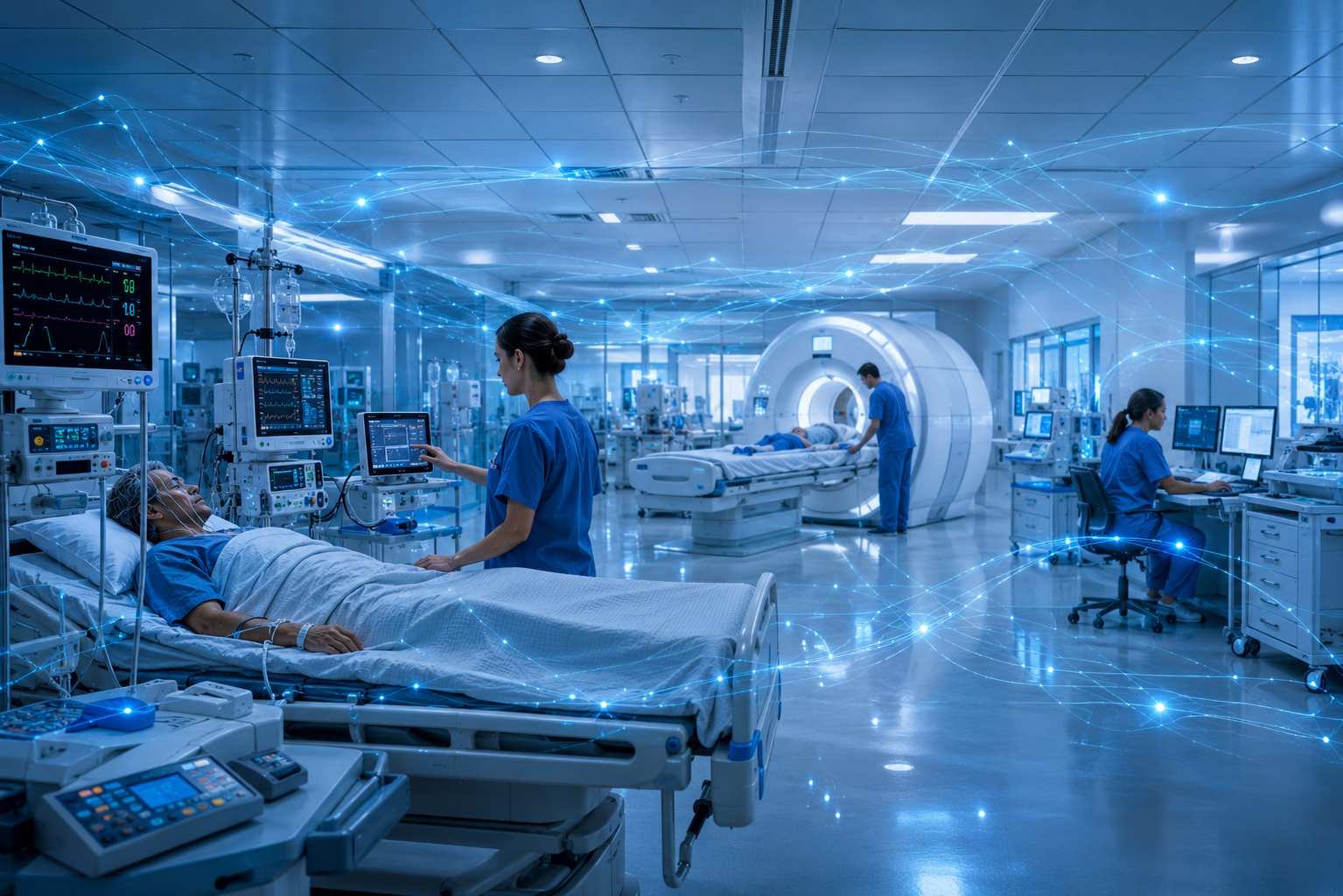
Date: July 13, 2026 / Auther: EMC
Technology nowadays is the backbone of hospitals. Different life-saving and life-maintaining tools, like MRI scanners, infusion pumps, ventilators, patient monitors, and wireless nurse-call systems, coexist in the same electromagnetic spectrum.
Read More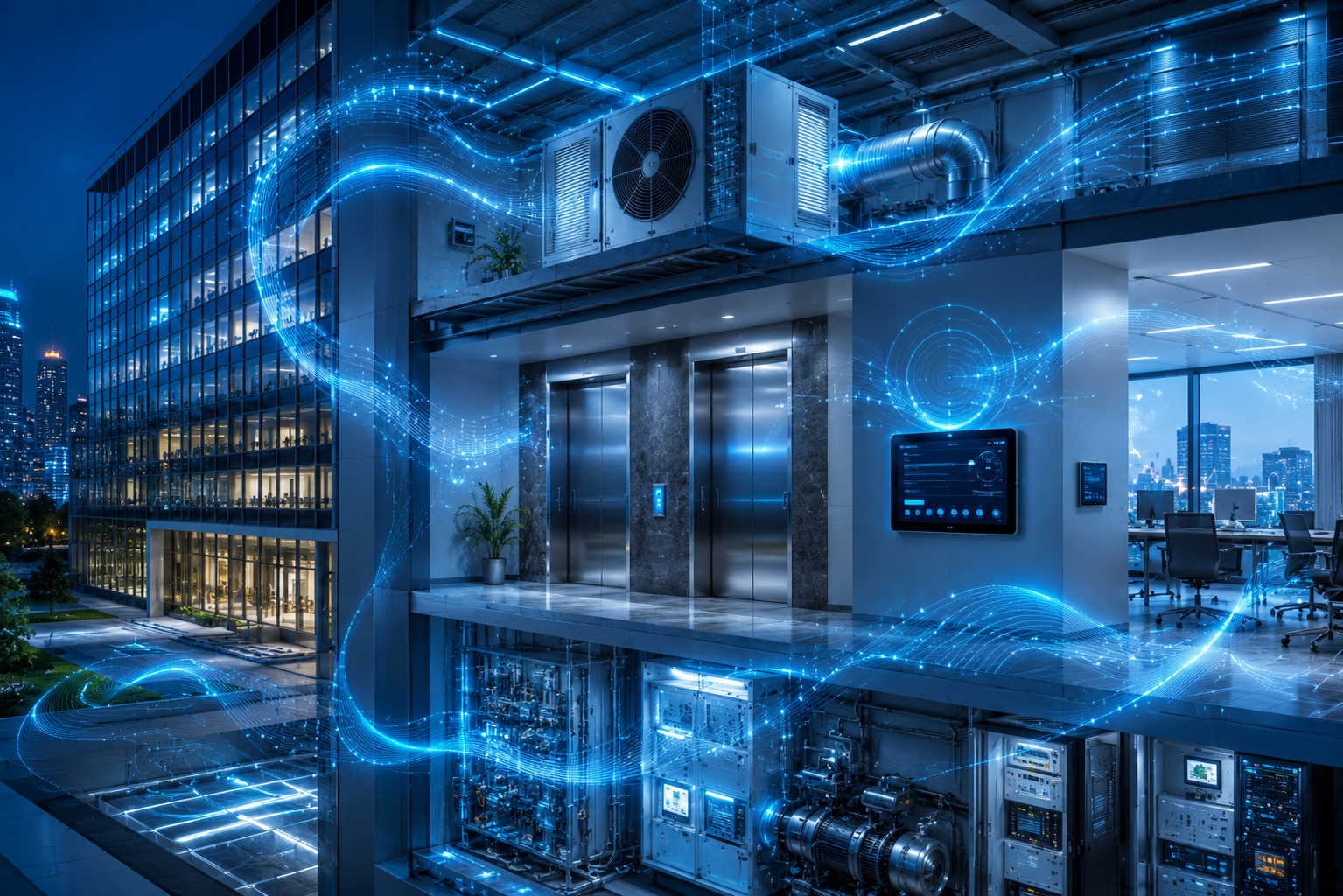
Date: June 18, 2026 / Auther: EMC
Modern commercial and public structures are far more than concrete and glass; they are highly integrated, living technology ecosystems. A contemporary facility relies on a complex web of interconnected systems—including high-speed elevators, automated HVAC systems, fire and life-safety detectors, biometric security, smart lighting automation, and centralized Building Management Systems (BMS).
Read More